




Perché questo è difficile
Tracker economics turn on a small number of variables, and the ones that dominate are commercial rather than technical.
- The revenue gain from tracking is concentrated in morning and evening hours, so its value depends on the tariff structure rather than on annual yield alone
- Incremental capex covers structure, foundations, drives, controllers and wiring, and each of those scales differently with site conditions
- Foundation cost per megawatt rises with tracking because tracker foundations carry higher and more complex loads, and the increase varies by soil
- O&M cost rises with moving parts, and the spread between a well-maintained and a poorly maintained tracker fleet is large
- Terrain and row spacing interact with tracking, since a tracker needs straighter rows and its backtracking behaviour changes the land requirement
- Financing terms amplify or suppress the case, because the decision is about incremental return rather than absolute yield
Requisiti di ingegneria
These are the inputs an honest tracker economics assessment requires.
- Hourly or sub-hourly energy modelling rather than annual yield figures, so the tracker gain can be valued against the actual tariff
- Tariff structure per period: flat, time-of-use, or market-based with an assumed capture rate
- Incremental capex breakdown separating structure, foundation, drive and control systems from the installation cost difference
- Foundation design implications by soil type, since tracker foundations frequently drive the incremental cost
- O&M cost model covering drive and controller maintenance, spares and expected availability, with the assumed strategy stated
- Cost of capital and required return, plus terrain constraints such as slope tolerance and row straightness
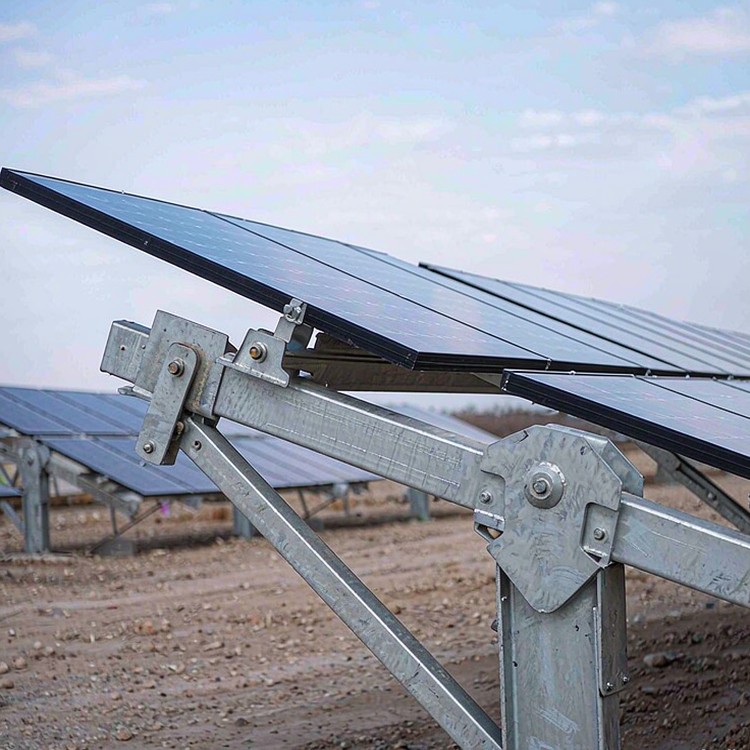
Selection guidance: insist on hourly modelling. An annual yield comparison inverts the answer on many projects, because it hides where in the day the tracker gain occurs and what that energy is worth.
Come lo risolviamo
- Hourly production modelling feeding an incremental cash flow analysis, so the tracker gain is valued at the price it will actually earn
- Segmented capex breakdown separating structure, foundation, drive and control elements so each can be tested against its revenue contribution
- Foundation assessment by soil zone, because tracker uplift and torsional loads frequently make the foundation the swing cost item
- O&M strategy modelled explicitly, including the expected maintenance interval for drives and control systems and the availability assumption used
- Terrain feasibility reviewed against the tracker actual slope and row-straightness tolerance rather than assuming tracked and fixed layouts need the same land
- Sensitivity analysis on tariff, capital cost and maintenance cost, so the decision is made against a range rather than a point estimate
Oltre la struttura
- Hybrid layout assessment with trackers on the favourable terrain zones and fixed-tilt on the constrained ones, which is often the highest-value configuration on a mixed site
- Configuration comparison at the same land area, so land cost and revenue are not double-counted in the comparison
Parametri di riferimento
I parametri di riferimento riportati di seguito sono progetti di settore di tipo e dimensioni comparabili, documentati pubblicamente e citati a scopo illustrativo delle migliori pratiche ingegneristiche. Non rappresentano il nostro storico di realizzazione.
- A 300 MW project in Texas where hourly modelling showed the tracker gain concentrated in high-value evening periods, strengthening a case that an annual yield comparison had made marginal.
- A 200 MW project in Spain where foundation cost on rocky ground consumed most of the tracking premium, making a hybrid layout the better outcome.
- A 150 MW site in Chile where the tariff structure rewarded daytime production, reducing the incremental value of tracking despite a strong annual yield gain.
Standard e conformità
- Casi di carico del vento ASCE 7 / EN 1991 / AS-NZS 1170 con categorie di terreno specifiche del sito
- Requisiti strutturali dei tracker secondo la norma IEC 62727, laddove le strutture di inseguimento siano incluse nell'ambito di applicazione.
- Documentazione di classe per la fabbricazione e l'esecuzione secondo la norma EN 1090-2 o AISC 360.
- Zincatura a caldo ISO 1461, classificazione di corrosività ISO 9223 per la massa di zinco
- Sistema di qualità ISO 9001:2015, gestione ambientale ISO 14001 su richiesta.
- È disponibile un servizio di studio aeroelastico in galleria del vento condotto da terzi per moduli di grande formato.
Garanzia di qualità
La documentazione di lotto viene rilasciata per ogni singolo pezzo: certificati di produzione riconducibili ai numeri di colata, registri di zincatura con misurazione dello spessore del rivestimento, rapporti di ispezione dimensionale delle dime di preassemblaggio e tracciabilità del lotto della ferramenta. La garanzia copre casi di carico e classi di esposizione ambientale specifici, pertanto i reclami vengono gestiti sulla base dei dati anziché tramite negoziazione.
Documentazione che riceverai
Each shipment carries a document pack aligned to your asset register: certified material test reports, coating thickness records per batch, torque and preload verification sheets, packing lists with container numbers and a maintenance-relevant drawing set. Where the destination market requires local certification or translated documents, we prepare them in advance rather than at the port.
Pianificazione della durata di servizio e della manutenzione
La pianificazione della sostituzione è parte integrante della progettazione: la geometria dei morsetti consente la sostituzione dei singoli moduli senza tagliare le rotaie, le teste dei pali permettono il rilivellamento dopo l'assestamento e i pacchetti di ricambi sono dimensionati in base alla classe ambientale e alla capacità. Ciò garantisce che gli interventi di rilavorazione a metà vita siano rapidi, prevedibili e indipendenti dal catalogo prodotti del fornitore originale.
Considerazioni di costo e commerciali
- Tracker incremental capex typically runs 8 to 15 percent above fixed-tilt at the structure and foundation package level, before controls
- Foundation cost is the most variable element and the one most likely to invalidate the case on difficult ground
- Drive and control systems add capex and an ongoing maintenance obligation, with spares and technical support forming part of lifecycle cost
- The revenue gain typically falls in the range of 10 to 25 percent of annual energy, with a higher proportion of it in the more valuable hours
- Assessment cost is modest and usually returned many times over, since the wrong choice is expensive to reverse after construction
Domande frequenti
Is tracking always worth it?
Why hourly modelling rather than annual yield?
What is the biggest surprise in tracker projects?
What is a hybrid layout and when does it help?
How much does O&M really differ?
Guide correlate e pagine applicative
Proseguite con le pagine più pertinenti alla tipologia del vostro progetto.
- Tracker vs Fixed-Tilt Economics – la panoramica del gruppo per questa fascia di scala
- Piste a inclinazione fissa vs. Piste a inseguimento: confronto tra rendimento e costi
- Adattabilità al terreno e capacità di ritorno del tracker
- Applicazioni dei sistemi di tracciamento: terreni complessi e aree ondulate
- Applicazioni del sistema di tracciamento
- Progetti solari su pendii e colline ondulate
Cosa dobbiamo preventivare
- Site location, irradiance data and the intended capacity
- Tariff structure and any time-of-use or market-based pricing assumptions
- Preliminary geotechnical information, since foundation cost is the main swing item
- Terrain survey or slope data for the developable area
Rivolgiti a un ingegnere strutturale.
Send the site data and the tariff structure you are working to, and we will return an incremental cash flow comparison between tracking and fixed-tilt with the assumptions stated.
 English
 Español
 Deutsch
 Português
 Français
 Italiano