



Por qué esto es difícil
Tracker economics turn on a small number of variables, and the ones that dominate are commercial rather than technical.
- The revenue gain from tracking is concentrated in morning and evening hours, so its value depends on the tariff structure rather than on annual yield alone
- Incremental capex covers structure, foundations, drives, controllers and wiring, and each of those scales differently with site conditions
- Foundation cost per megawatt rises with tracking because tracker foundations carry higher and more complex loads, and the increase varies by soil
- O&M cost rises with moving parts, and the spread between a well-maintained and a poorly maintained tracker fleet is large
- Terrain and row spacing interact with tracking, since a tracker needs straighter rows and its backtracking behaviour changes the land requirement
- Financing terms amplify or suppress the case, because the decision is about incremental return rather than absolute yield
Requisitos de ingeniería
These are the inputs an honest tracker economics assessment requires.
- Hourly or sub-hourly energy modelling rather than annual yield figures, so the tracker gain can be valued against the actual tariff
- Tariff structure per period: flat, time-of-use, or market-based with an assumed capture rate
- Incremental capex breakdown separating structure, foundation, drive and control systems from the installation cost difference
- Foundation design implications by soil type, since tracker foundations frequently drive the incremental cost
- O&M cost model covering drive and controller maintenance, spares and expected availability, with the assumed strategy stated
- Cost of capital and required return, plus terrain constraints such as slope tolerance and row straightness
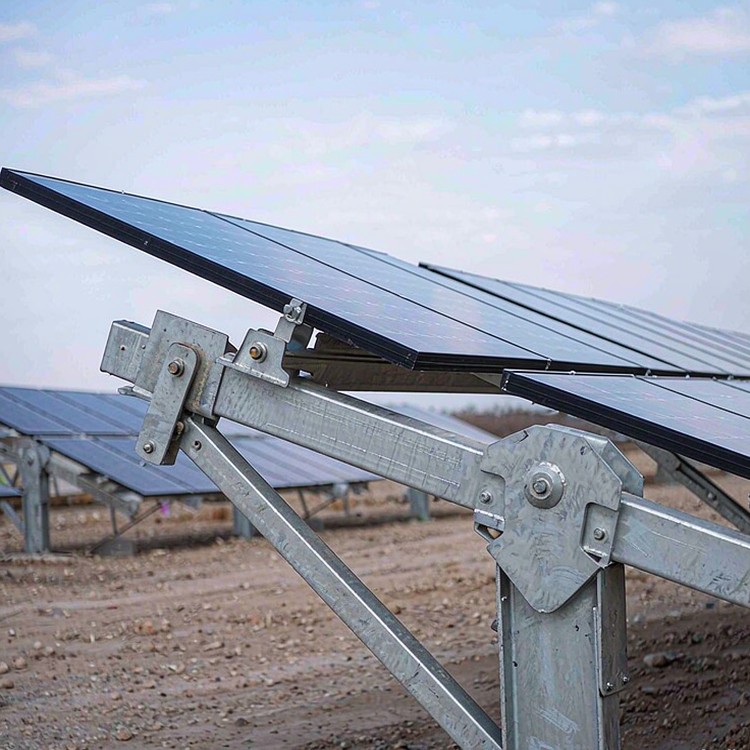
Selection guidance: insist on hourly modelling. An annual yield comparison inverts the answer on many projects, because it hides where in the day the tracker gain occurs and what that energy is worth.
Cómo lo resolvemos
- Hourly production modelling feeding an incremental cash flow analysis, so the tracker gain is valued at the price it will actually earn
- Segmented capex breakdown separating structure, foundation, drive and control elements so each can be tested against its revenue contribution
- Foundation assessment by soil zone, because tracker uplift and torsional loads frequently make the foundation the swing cost item
- O&M strategy modelled explicitly, including the expected maintenance interval for drives and control systems and the availability assumption used
- Terrain feasibility reviewed against the tracker actual slope and row-straightness tolerance rather than assuming tracked and fixed layouts need the same land
- Sensitivity analysis on tariff, capital cost and maintenance cost, so the decision is made against a range rather than a point estimate
Más allá de la estructura
- Hybrid layout assessment with trackers on the favourable terrain zones and fixed-tilt on the constrained ones, which is often the highest-value configuration on a mixed site
- Configuration comparison at the same land area, so land cost and revenue are not double-counted in the comparison
Puntos de referencia
Los ejemplos que se muestran a continuación son proyectos de referencia del sector, documentados públicamente y de tipo y escala similares, que se citan para ilustrar la práctica de la ingeniería. No constituyen nuestro historial de proyectos.
- A 300 MW project in Texas where hourly modelling showed the tracker gain concentrated in high-value evening periods, strengthening a case that an annual yield comparison had made marginal.
- A 200 MW project in Spain where foundation cost on rocky ground consumed most of the tracking premium, making a hybrid layout the better outcome.
- A 150 MW site in Chile where the tariff structure rewarded daytime production, reducing the incremental value of tracking despite a strong annual yield gain.
Normas y cumplimiento
- Casos de carga de viento según ASCE 7 / EN 1991 / AS-NZS 1170 con categorías de terreno específicas del sitio.
- Requisitos estructurales de los seguidores de la norma IEC 62727 cuando las estructuras de seguimiento están incluidas en el alcance.
- Documentación de clase de fabricación y ejecución según EN 1090-2 o AISC 360
- Galvanizado por inmersión en caliente según ISO 1461, clasificación de corrosividad según ISO 9223 para la masa de zinc impulsora
- Sistema de calidad ISO 9001:2015, gestión ambiental ISO 14001 bajo petición.
- Estudio aeroelástico en túnel de viento realizado por terceros disponible para módulos de gran formato.
Seguro de calidad
La documentación de cada lote se emite individualmente: certificados de fábrica con trazabilidad a los números de colada, registros de galvanizado con el espesor del recubrimiento medido, informes de inspección dimensional de las plantillas de preensamblaje y trazabilidad de los lotes de componentes. La garantía cubre los casos de carga y las clases de exposición ambiental especificados, por lo que las reclamaciones se resuelven en función de los datos, en lugar de mediante negociación.
Documentación que usted recibe
Cada envío incluye un paquete de documentos alineado con su registro de activos: informes certificados de pruebas de materiales, registros de espesor de recubrimiento por lote, hojas de verificación de torque y precarga, listas de empaque con números de contenedor y un conjunto de planos relevantes para el mantenimiento. Si el mercado de destino requiere certificación local o documentos traducidos, los preparamos con anticipación en lugar de en el puerto.
Planificación de la vida útil y el mantenimiento
La planificación de reemplazos forma parte del diseño: la geometría de las abrazaderas permite el intercambio de módulos individuales sin necesidad de cortar los rieles, las cabezas de los pilotes admiten la renivelación tras el asentamiento y los paquetes de repuestos se dimensionan según la clase de entorno y la capacidad requerida. Esto garantiza que las reparaciones a mitad de vida útil sean rápidas, predecibles e independientes del catálogo de productos del proveedor original.
Costos y consideraciones comerciales
- Tracker incremental capex typically runs 8 to 15 percent above fixed-tilt at the structure and foundation package level, before controls
- Foundation cost is the most variable element and the one most likely to invalidate the case on difficult ground
- Drive and control systems add capex and an ongoing maintenance obligation, with spares and technical support forming part of lifecycle cost
- The revenue gain typically falls in the range of 10 to 25 percent of annual energy, with a higher proportion of it in the more valuable hours
- Assessment cost is modest and usually returned many times over, since the wrong choice is expensive to reverse after construction
Preguntas frecuentes
Is tracking always worth it?
Why hourly modelling rather than annual yield?
What is the biggest surprise in tracker projects?
What is a hybrid layout and when does it help?
How much does O&M really differ?
Guías y páginas de aplicación relacionadas
Continúa con las páginas más cercanas al tipo de tu proyecto.
- Economía de los vehículos con sistema de seguimiento frente a los vehículos de inclinación fija – la descripción general del grupo para esta banda de escala
- Sistema de inclinación fija frente a sistema de seguimiento: comparación de rendimiento y coste
- Adaptabilidad al terreno y función de retroceso del rastreador
- Aplicaciones de seguimiento: Terrenos complejos y sitios ondulados
- Aplicaciones de sistemas de seguimiento
- Proyectos solares en laderas y pendientes onduladas
Lo que necesitamos citar
- Site location, irradiance data and the intended capacity
- Tariff structure and any time-of-use or market-based pricing assumptions
- Preliminary geotechnical information, since foundation cost is the main swing item
- Terrain survey or slope data for the developable area
Hable con un ingeniero estructural.
Send the site data and the tariff structure you are working to, and we will return an incremental cash flow comparison between tracking and fixed-tilt with the assumptions stated.
 English
 Español
 Deutsch
 Português
 Français
 Italiano