





Why This Is Difficult
Galvanizing failures on solar racking trace back to the specification rather than to the process, and the gaps are consistent.
- A galvanizing callout without a zinc mass figure allows coatings at the low end of the standard, which is appropriate for mild exposure and insufficient for aggressive sites
- Corrosivity category drives the required coating mass, so a specification written without a site corrosivity assessment cannot be checked for adequacy
- Coating thickness is measured as a minimum and an average, and a specification that mentions only one of the two is incomplete
- Cut edges, drilled holes and welded zones behave differently from flat surfaces, and their treatment has to be specified rather than left to the process
- Galvanizing after fabrication is essential for structural integrity, while fabricating after galvanizing creates unprotected cut surfaces
- Inspection method matters: coating mass by weighing and coating thickness by magnetic gauge measure different things and are not interchangeable
Engineering Requirements
These are the elements a galvanizing specification should state.
- The coating standard being applied, such as ISO 1461 or an equivalent national standard, with the edition referenced
- Required zinc mass or coating thickness, stated as both a minimum and an average, together with the corrosivity category it is intended to satisfy
- The corrosivity assessment for the site, based on ISO 9223 classification rather than on a general description of the environment
- Treatment of cut edges, drilled holes, weld areas and threads, including where coating repair is permitted and to what standard
- Inspection method and frequency, with the coating thickness sampling and the acceptance rule defined in advance
- Handling, storage and transport requirements that protect the coating before installation, since damage in transit is a durability issue
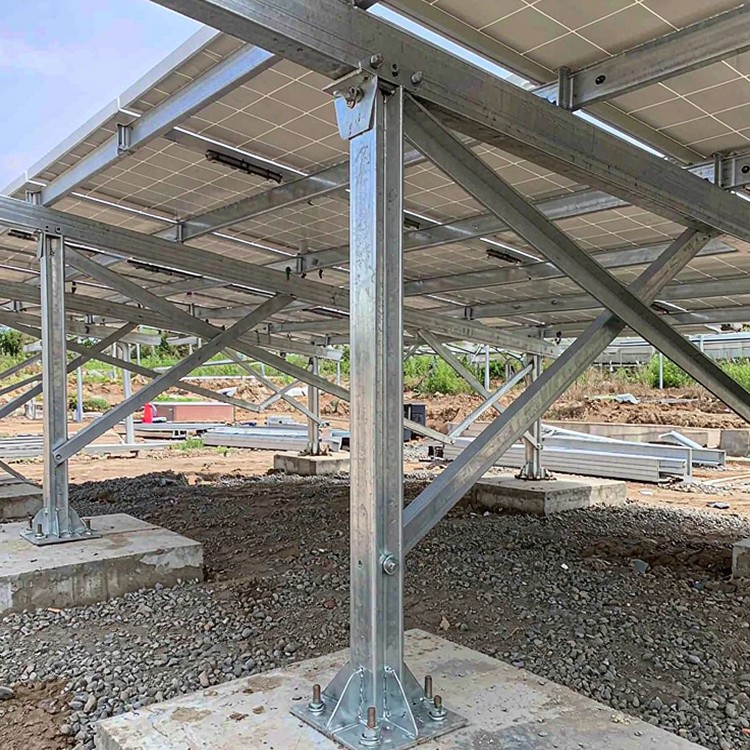
Selection guidance: state the zinc mass, not just the standard. ISO 1461 permits a range of coating weights, and a specification that cites the standard without a mass figure does not actually specify a level of protection.
How We Solve It
- Zinc mass specified against the site corrosivity category, so the coating level is chosen for the environment rather than inherited from a template
- Coating thickness stated as minimum and average requirements, with the measurement method and sampling count defined
- Fabrication completed before galvanizing, so cut edges and drilled holes are coated and no unprotected steel is exposed
- Threaded components and interfaces treated explicitly, including the coating class for fasteners and any allowance for thread clearance after coating
- Coating thickness records issued per batch, so the delivery documentation demonstrates the specified protection was achieved
- Handling and packaging specified to protect coatings in transit, with touch-up materials and procedures documented for site repairs
Beyond the Structure
- Guidance on where duplex systems or higher coating classes become justified, since upgrading at design stage is far cheaper than retrofitting
- Warranty documentation that references the coating specification, so a durability claim can be measured against a stated requirement
Reference Benchmarks
Benchmarks below are publicly documented industry reference projects of comparable type and scale, cited to illustrate engineering practice. They are not our delivery record.
- A 200 MW project in the Middle East where zinc mass was specified against the site corrosivity category rather than to a standard minimum, extending the expected maintenance interval.
- A 150 MW coastal project in Japan where a higher coating class was selected at design stage, avoiding the cost of retrofitting protection to installed structures.
- A 250 MW project in Spain where coating thickness records issued per batch allowed the owner to verify protection against specification without independent testing.
Standards and Compliance
- EN 1991-1-3 / ASCE 7 snow and ice load cases matched to your design return period
- IEC 61215 / IEC 61730 for module clamping zone and frame compatibility
- EN 1090 / AISC steelwork execution classes with weld procedure qualification records
- ISO 1461 galvanizing, ISO 12944 paint systems where duplex coating is specified
- ISO 9001 production quality management, batch traceability to heat numbers
- Local building code and permitting documentation support for your jurisdiction
Quality Assurance
Batch documentation is issued per lot: mill certificates traceable to heat numbers, galvanizing records with measured coating thickness, dimensional inspection reports from pre-assembly jigs and hardware lot traceability. Warranty covers named load cases and environmental exposure classes, so claims are settled against data rather than negotiation.
Documentation You Receive
Each shipment carries a document pack aligned to your asset register: certified material test reports, coating thickness records per batch, torque and preload verification sheets, packing lists with container numbers and a maintenance-relevant drawing set. Where the destination market requires local certification or translated documents, we prepare them in advance rather than at the port.
Service Life and Maintenance Planning
The economics of mounting systems are decided at year eight, not at signing. Galvanizing weight, fastener coating class and edge protection determine whether the year-eight inspection finds tight hardware or rust streaks. We publish expected first-maintenance intervals by environment class and back them with batch coating records, so warranty conversations start from data.
Cost and Commercial Considerations
- Zinc mass is one of the largest drivers of coating cost, so a specification written to the wrong corrosivity category either overpays or under-protects
- Upgrading coating class at design stage costs a small percentage of the structure price, while retrofitting protection in service costs several times more
- Coating inspection is inexpensive and is the only way to verify that the specified protection was actually applied
- Transit damage repair is a site cost that good packaging prevents, and it is frequently unplanned because it is assumed not to happen
- Expected maintenance interval is the return on the coating investment, and it should be stated in writing so the cost can be assessed
Frequently Asked Questions
What zinc thickness should we specify?
Does galvanizing quality vary between suppliers?
What about cut edges and welds?
How is coating thickness verified?
Should we specify duplex coating?
Related Guides and Application Pages
Continue with the pages closest to your project type.
- Corrosion Protection & 25-Year Durability – the group overview for this scale band
- ZAM Steel & Advanced Coating Corrosion Resistance
- C5 Coastal & High-Salinity Corrosion Protection
- Saline-Alkali, Tidal Flat & Salt-Pan Solar Projects
- Offshore, Nearshore & Marine Solar Projects
- Fishery-Solar Complementary Projects
What We Need to Quote
- Site location and environment description, sufficient for a corrosivity classification
- Structural components in scope, with steel grade and fabrication sequence
- Required service life and the maintenance interval you are targeting
- Whether duplex coating or an appearance requirement applies
Talk to a Structure Engineer
Send the site environment and the components in scope, and we will return a coating specification with the corrosivity category, zinc mass, inspection method and expected maintenance interval.
