

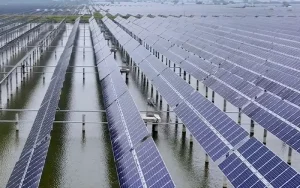
Pourquoi c'est difficile
The manufacturer and trading models fail in different ways, and the failure modes are predictable from the structure of the business.
- Technical queries requiring engineering judgement are answered directly by a manufacturer and relayed by a trader, with a delay and a loss of fidelity in the relay
- Quality accountability is direct for a manufacturer, while a trader depends on a third-party factory whose process they do not control
- Design changes during a project require production decisions, which a manufacturer can take and a trader has to negotiate
- Tolerance and interface responsibility is defined by who controls production, which affects how a rework question is resolved
- Certification applies to a manufacturing process, so a trader must demonstrate that the certified process is the one producing the goods
- Delivery reliability depends on production scheduling control, which is direct for a manufacturer and indirect for a trader
Exigences d'ingénierie
These are the questions that establish which model a supplier actually operates.
- Which entity owns the production facility, and whether the supplier can demonstrate that relationship rather than assert it
- Whether technical queries are answered by the engineering team that prepared the design or relayed through a commercial intermediary
- Whether the quality system and its certifications belong to the producing entity and apply to the goods being supplied
- How design changes during a project are approved, and who has the authority to release a change to production
- What the escalation path is when a non-conformance is identified, and how quickly a production decision can be taken
- Whether the supplier will accept inspection access at the production facility, which is only straightforward when they control it
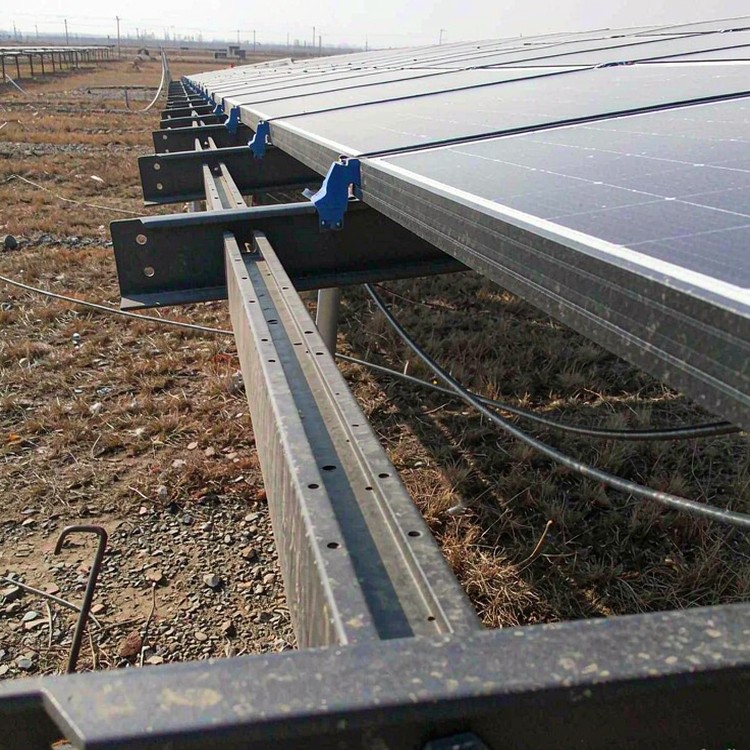
Selection guidance: ask who will answer your next engineering question. If the answer is a commercial contact relaying to an unknown third party, the accountability chain is longer than the contract implies.
Comment nous résolvons le problème
- Direct engineering access, so technical queries are answered by the team that holds the calculation rather than through an intermediary
- Qualified production under a quality system belonging to the producing entity, with traceability that covers the actual goods supplied
- Change authority defined, so a design change required on site can be reviewed and released without a negotiation cycle
- Inspection access at the production facility, since quality is verified where the work happens rather than at the port
- Certification mapped to the production process, so the certified process and the producing process are demonstrably the same
- A named technical contact for the project, who is accountable for answers rather than for relaying them
Au-delà de la structure
- Production scheduling control, so delivery commitments are made against capacity the supplier actually holds
- Non-conformance handling with a defined decision authority, so containment does not require multi-party agreement
Points de référence
Les projets de référence ci-dessous, de type et d'envergure comparables et documentés publiquement, sont cités à titre d'illustration des pratiques d'ingénierie. Ils ne constituent pas un historique de réalisations.
- A 200 MW project in Chile where a foundation tolerance issue required a design change, and direct engineering access allowed the change to be released without a negotiation cycle.
- A 150 MW project in the Middle East where inspection access at the production facility allowed a coating non-conformance to be contained before shipment.
- A 250 MW programme in Australia where the certification was mapped to the producing facility, so the lender review could verify that the assessed process was the one in use.
Normes et conformité
- Charges de vent ASCE 7 / EN 1991 résolues avec des facteurs de terrain et d'exposition spécifiques au site
- Compatibilité de l'interface du module IEC 61215 / IEC 61730 vérifiée par rapport à la fiche technique de votre module
- Classes d'exécution EN 1090 ou AISC pour les ouvrages métalliques soudés et boulonnés
- Galvanisation à chaud selon la norme ISO 1461, masse de zinc spécifiée en fonction de la corrosivité du sol et de l'atmosphère
- Gestion de la qualité de la production selon la norme ISO 9001 avec traçabilité au niveau du lot
- Dossier de documentation CE/EN 1090 lorsque les marchés de destination l'exigent
Assurance qualité
Le contrôle qualité repose sur des points de contrôle : vérification de la réception des matières premières, inspection en cours de fabrication des soudures et du positionnement des trous, échantillonnage de l’épaisseur du revêtement et contrôle des conteneurs avant expédition. Chaque point de contrôle génère un document que votre équipe qualité peut archiver, et l’inspection avant expédition est ouverte à votre inspecteur ou à un tiers.
Documents que vous recevez
La traçabilité documentaire est aussi importante que l'acier lui-même. À chaque livraison, vous recevez des certificats d'essais en usine, traçables jusqu'aux numéros de coulée ; des rapports de galvanisation par lot, conformes à la norme ISO 1461 ou à votre norme spécifiée ; des rapports de contrôle dimensionnel des gabarits de pré-assemblage ; la traçabilité des lots de boulons et de quincaillerie ; les plans de récolement lorsque des adaptations ont été apportées au site ; et un document de garantie précisant les cas de charge couverts, la durée de vie nominale et les procédures de réclamation. Tout est indexé, ce qui garantit que votre registre d'actifs ne dépend pas de la mémoire d'un seul ingénieur.
Planification de la durée de vie et de la maintenance
La durée de vie est un résultat de conception, non une promesse. La masse de zinc, la classe de revêtement des fixations, les détails de drainage et l'isolation entre métaux dissemblables sont sélectionnés en fonction du niveau de corrosivité de votre site, et l'intervalle prévu pour la première maintenance est indiqué par écrit. Pour les environnements agressifs, nous optons pour un système de revêtement plus performant dès la conception, ce qui est toujours plus économique qu'une rénovation.
Considérations relatives aux coûts et au commerce
- Trading models can offer lower headline prices through sourcing flexibility, and the difference is frequently offset by the cost of slower technical resolution
- A design change delayed by a commercial relay carries a schedule cost that usually exceeds the price advantage
- Inspection access and traceability are structural advantages of the manufacturer model and cost the buyer nothing to require
- Non-conformance containment costs less when the decision authority is clear, since the delay is often larger than the rework
- The relevant comparison is total cost of ownership across the project rather than unit price at award
Foire aux questions
Does it matter whether a supplier is a manufacturer?
How can we tell the difference?
Is a manufacturer always better?
What about certification in a trading model?
How does this affect delivery reliability?
Guides et pages d'application associés
Poursuivez avec les pages les plus proches de votre type de projet.
Ce que nous devons citer
- The production facility to be used and the nature of the supplier relationship to it
- Who will answer technical queries and with what engineering authority
- Whether inspection access at the production facility is available
- How a design change during the project would be approved and released
Parlez à un ingénieur en structure
Send the project requirements and the supplier relationships you are evaluating, and we will answer the accountability questions directly, naming the engineering and production entities involved.
 English
 Español
 Deutsch
 Português
 Français
 Italiano