




Key Benefits
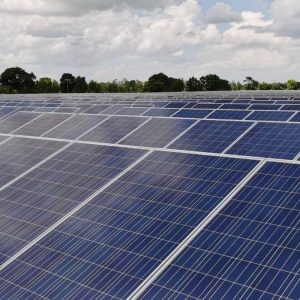
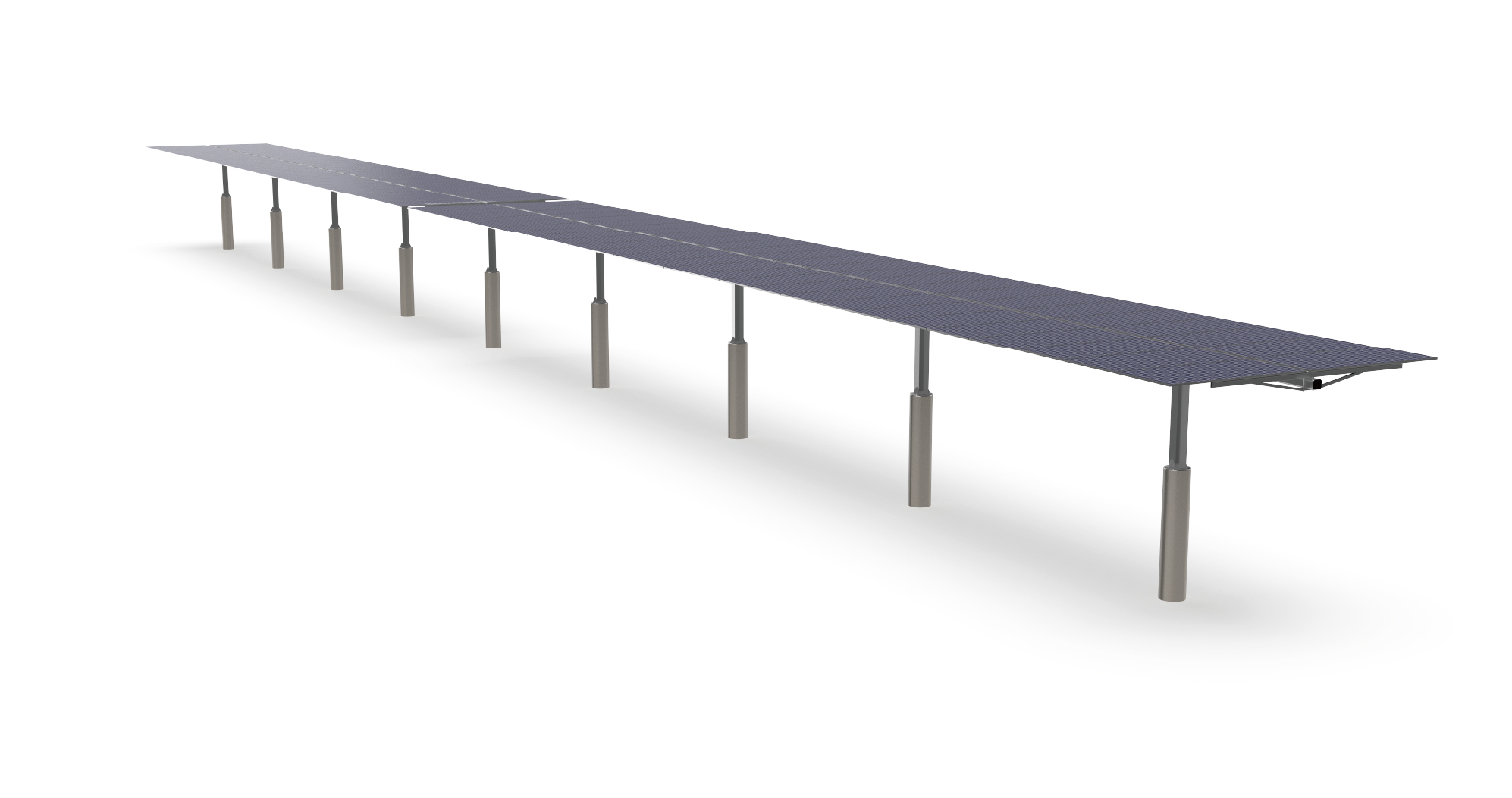
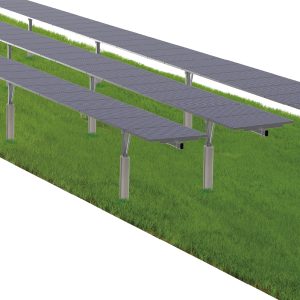
This PV Horizontal Single-Axis Tracker Control System is the central brain for your solar tracking array. It precisely manages the rotation of your panels from east to west, following the sun across the sky to boost energy yield by up to 25 Percent compared to fixed-tilt installations. You choose this system for its industrial-grade reliability, simple installation, and the peace of mind that comes with dual-power redundancy. It ensures your investment performs at peak capacity every single day, rain or shine.
Precision Tracking for Maximum Yield
- Astronomical Algorithm: Calculates the suns position to within 0.1 degrees, ensuring your panels are always perfectly angled for peak irradiance capture. This translates directly to higher kWh production and a faster return on your solar asset.
- Backtracking Function: Automatically adjusts row angles to eliminate inter-row shading during low sun angles. This protects your panels from hot spots and maximizes output even in the early morning and late afternoon.
Reliability and Safety You Can Trust
- Dual Power Supply (AC and DC): Operates seamlessly on either 110-240V AC grid power or a 24V DC backup source. If the grid fails, the system continues to function, and critically, it can stow panels to a safe position during extreme weather events like hail or high winds.
- IP65 Enclosure: The robust, weatherproof housing protects all internal electronics from dust, water, and extreme temperatures (-30 to +60 degrees Celsius). This prevents costly downtime and ensures a 20-year operational lifespan.
- Remote Monitoring via RS485: Connects to your SCADA or network for real-time data logging and diagnostics. You can monitor system health, energy production, and receive instant alerts without sending a technician to the field.
Real Customer Feedback
“We deployed this control system across a 15MW site in Nevada. The installation was straightforward, and the dual-power feature gave our engineering team the confidence to proceed without worrying about grid instability. After 8 months of operation, our actual generation is 3.5 Percent higher than our initial P50 projections. The back-tracking algorithm is incredibly smooth. Honestly, the only minor critique is that the manual for the RS485 integration assumes a higher level of networking knowledge than we initially had, but their technical support team was quick to guide us through it.”
– Michael T., Senior Project Engineer, SunPeak Utilities
Technical Specifications
Electrical and Communication
- Operating Voltage: 110-240V AC (50/60Hz) or 24V DC (20-30V range)
- Power Consumption: 15W (Average), 45W (Peak during motor drive)
- Communication Protocol: RS485 Modbus RTU
- Input Sensors: Wind Speed (0-60 m/s), Pyranometer (0-2000 W/m2)
Mechanical and Environmental
- Enclosure Rating: IP65 (NEMA 4X equivalent)
- Operating Temperature: -30 degrees Celsius to +60 degrees Celsius
- Dimensions: 300 x 200 x 120 mm (Control Box only)
- Mounting: Universal bracket for pole or structural steel mounting
- Certifications: CE, UL 508, IEC 62109 (Safety), RoHS Compliant
Comparison vs Competitors
| Feature | This Tracker Control System | Standard Basic Controller |
|---|---|---|
| Backtracking Algorithm | Yes – Standard | No – Manual Adjustment |
| Power Backup | Dual AC and DC | AC Only |
| Communication | RS485 Modbus | Dry Contacts Only |
| Operating Temperature | -30 to 60 C | -10 to 50 C |
| Wind Stow Speed | Configurable up to 60 m/s | Fixed at 40 m/s |
FAQ
Does this system work with my existing tracker structure?
Yes, this is a universal control unit. It outputs a standard 3-phase or single-phase signal to drive most linear actuators or slew drives found on horizontal single-axis trackers. You will need to verify your motor voltage and current draw to ensure compatibility, but the controller can be programmed for various drive types.
What happens during a power outage?
If you have the optional 24V battery connected to the DC input, the system will automatically switch over in under 10 milliseconds. This ensures your tracker does not lose its position calibration. If you do not have a battery, the system retains its last known position in memory and will re-engage the tracking algorithm upon power restoration.
How do I set up the wind stow feature?
You can configure the wind speed threshold (e.g., 60 km/h) via the local display or the RS485 interface. When the wind sensor exceeds this limit, the system will automatically rotate all connected trackers to a 0-degree (horizontal) stow position to minimize wind load and prevent structural damage.
Can I connect multiple controllers together?
Yes. The RS485 daisy-chain feature allows you to connect up to 32 controllers in a single network. This allows you to manage an entire solar farm from a single central workstation, simplifying monitoring and control.