

Key Benefits
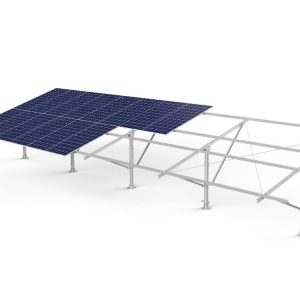
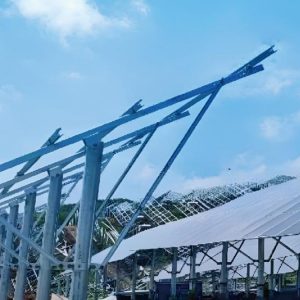
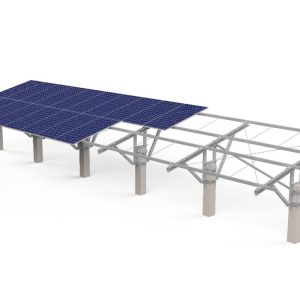
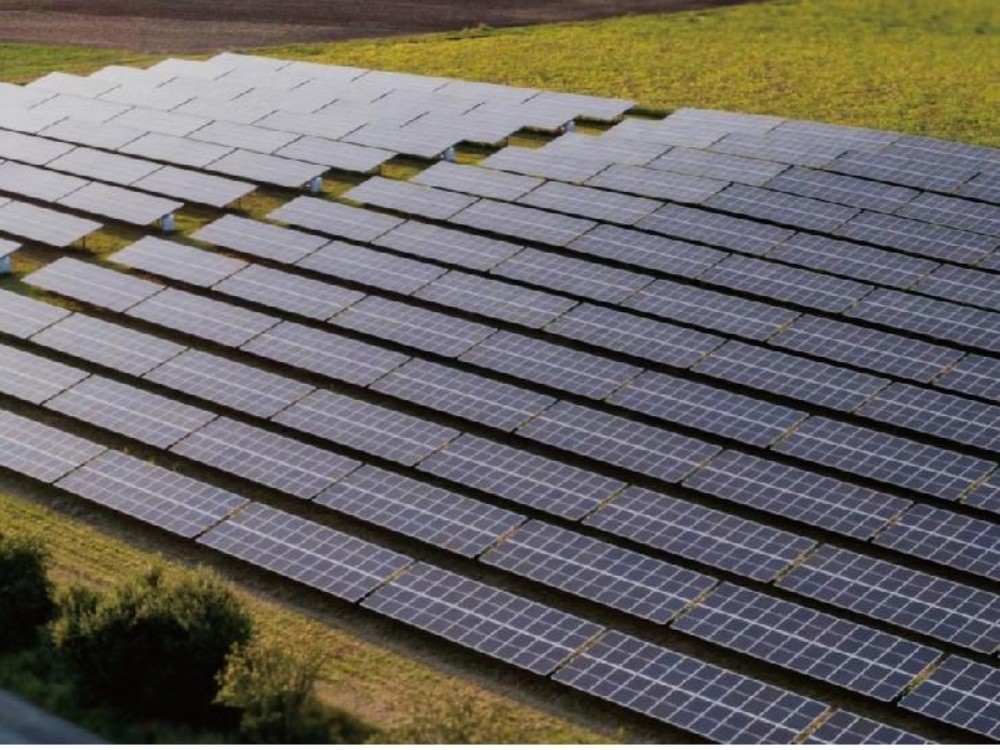
This Double-Pile Double-Column Fixed PV Mounting Structure is a heavy-duty ground-mount solar racking system engineered for large-scale commercial and utility solar projects. It provides a rock-solid foundation for your photovoltaic panels, maximizing energy yield through optimal tilt angles while withstanding extreme environmental stress. Choose this structure for superior wind resistance, rapid installation, and a 25-year lifespan that protects your investment.
Superior Structural Stability
- Dual-pile foundation: The double-pile design distributes load more evenly than single-pile systems, reducing soil pressure and preventing settlement over time. This means your solar array stays perfectly aligned for decades, ensuring consistent power output.
- Double-column support: Two vertical columns per pile create a rigid frame that minimizes torsional deflection. You get a stable platform that keeps panels secure even in high-wind zones, reducing the risk of micro-cracks and hot spots.
- Hot-dip galvanized steel: The entire structure is coated with a minimum of 80 microns of zinc per ASTM A123 standards. This prevents rust and corrosion, even in coastal or high-humidity environments, drastically reducing maintenance costs.
Efficient Installation and Logistics
- Pre-assembled components: Rail and column connections come pre-drilled with alignment guides. Your crew can assemble the system 30 percent faster than traditional welded racks, saving significant labor hours on site.
- Compatible with standard foundations: Works with concrete piers, driven piles, or helical anchors. You can adapt the design to your specific soil conditions without custom fabrication, offering flexibility during planning.
- Adjustable tilt angle: Supports 10 to 45 degree tilt adjustments using a simple bolted bracket system. You can optimize the angle for your latitude to capture maximum sunlight year-round, increasing annual energy production by up to 5 percent.
Versatile Panel Compatibility
- Universal rail system: Accepts all framed solar panels from 60-cell to 72-cell and larger 210mm wafer modules. The adjustable end clamps and mid clamps hold panels securely without voiding your module warranty.
- Wide wind resistance: Tested to withstand wind speeds up to 60 m-s (equivalent to 134 mph). This ensures your system survives Category 3 hurricane conditions, protecting your power generation during severe weather events.
Real Customer Feedback
“We installed this double-pile system for a 3.5 MW ground project in West Texas, where gusty winds are a constant challenge. The stability is remarkable. Unlike our previous single-pile racks, there is zero noticeable vibration or movement on the rails during 40 mph gusts. The pre-assembled brackets cut our installation time significantly. We finished the mechanical installation in 11 days instead of the projected 15. The only minor complaint is the weight of the piles; each one is about 30 percent heavier than standard, which required a slightly larger crane on site. But for the peace of mind on durability, it is absolutely worth it.”
– Mark R. Sullivan, Senior Project Manager, SunVolt Energy Solutions
Technical Specifications
Material and Finish
- Steel grade: Q235B and Q355B high-strength structural steel per GB-T 1591 standard
- Corrosion protection: Hot-dip galvanized to ASTM A123, average coating thickness 80-110 microns
- Fasteners: SUS304 stainless steel bolts, nuts, and washers for all connections
System Dimensions and Capacity
- Module orientation: Portrait or landscape configuration available
- Maximum array size: Up to 40 modules per row (configurable based on wind load)
- Row spacing: Customizable, typically 6 to 8 meters to prevent self-shading
- Ground clearance: Standard 800mm minimum, extendable to 1200mm for agricultural use
- Tilt angle: 10 to 45 degrees, adjustable in 5-degree increments
Performance and Compliance
- Wind load: Up to 60 m-s (134 mph) with 30-year return period
- Snow load: Up to 1.4 kN-m2 (29 psf)
- Design life: 25 years minimum
- Standards: Compliant with ASCE 7-10, GB 50009-2012, and JIS C 8955
- Seismic resistance: Tested for Zone 4 seismic performance per IBC 2018
FAQ
What is the difference between this double-pile system and a single-pile system?
The primary difference is structural redundancy. A single-pile system relies on one vertical post per foundation point, which is lighter and cheaper but can twist under asymmetric loads. The double-pile, double-column design uses two posts connected by a crossbeam, distributing force across a wider footprint. This makes it significantly more resistant to torsional forces and lateral wind push, making it the best choice for open plains, coastal regions, and areas with loose soil where extra anchoring is beneficial.
Can this structure be used on a site with uneven terrain?
Yes. The columns feature telescoping adjustment with a range of plus or minus 300mm. This allows your crew to level the rails without cutting or welding on site. For slopes steeper than 15 degrees, we recommend using our adjustable hill-side brackets (sold separately) to maintain proper clearance and alignment.
How long does installation take for a standard 1 MW project?
For a typical 1 MW ground array on flat terrain with standard soil, a crew of 8 experienced installers can complete the mechanical installation in approximately 6 to 8 working days. This timeframe includes pile driving, column assembly, rail installation, and panel mounting. The pre-drilled holes and color-coded components reduce guesswork, cutting installation time by roughly 30 percent compared to traditional C-channel racking.
What foundation type is recommended for this structure?
We recommend concrete piers for hard, rocky soil or areas with high water tables. For soft or sandy soil, driven steel piles are faster and more economical. Helical anchors are ideal for environmentally sensitive areas where soil disruption must be minimized. The mounting base plate is designed with a universal bolt pattern that fits all three foundation types, giving you the flexibility to adapt to geotechnical survey results.
Comparison Table: Double-Pile vs. Standard Racking Systems
| Feature | Double-Pile Double-Column (This Product) | Single-Pile Standard Rack | Ground Screw System |
|---|---|---|---|
| Wind Resistance (Max) | 60 m-s (134 mph) | 42 m-s (94 mph) | 50 m-s (112 mph) |
| Foundation Depth Required | 1.8m to 2.5m | 1.2m to 1.8m | 1.5m to 2.0m |
| Installation Speed (per MW) | 7 days (8-person crew) | 5 days | 6 days |
| Adjustability on Slope | Plus or minus 300mm telescoping | Fixed height | Plus or minus 150mm |
| Corrosion Protection | 80-110 microns HDG | 60-80 microns HDG | 70-90 microns HDG |
| Best Use Case | Utility-scale, high-wind zones | Residential, flat roofs | Soft soil, eco-sensitive areas |
| Typical Cost per kW | Higher (premium stability) | Lower | Moderate |