
Perché questo è difficile
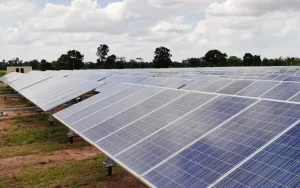
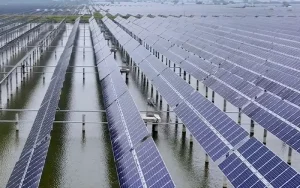
Shading losses are frequently mis-estimated, and the errors come from the model rather than from the physics.
- Annual shading percentages hide the fact that losses are concentrated in the morning, evening and winter months, where energy value may be higher or lower than average
- Partial shading of a module string produces losses larger than the shaded area alone, because the string current is limited by the shaded cell
- Fixed-tilt and tracker require different models, since backtracking changes when and whether a row shades its neighbour
- Winter shading behaves differently from summer shading at the same site, and a model run on a single representative day will miss it
- Row pitch interacts with the terrain, because a slope changes the effective vertical separation between adjacent rows
- The non-linear cost of tightening rows means that small reductions in pitch produce disproportionately large losses past a certain point
Requisiti di ingegneria
These are the inputs an inter-row shading analysis requires.
- Hourly irradiance and sun position data for the site, covering a full year rather than representative days
- Module electrical configuration, including string length and the bypass diode arrangement, since shading losses depend on it
- Structure type and geometry: fixed tilt angle or tracker rotation range, module dimensions and mounting height above grade
- Site topography, because slope changes the effective row-to-row separation and the shading geometry
- Ground coverage ratio target or land constraint that sets the allowable pitch range
- Energy price structure, so that shading losses are valued by the hour in which they occur

Selection guidance: model the module electrical configuration, not just the geometric shadow. The shadow is a geometry problem, but the loss is an electrical one, and it is usually larger.
Come lo risolviamo
- Hourly, full-year shading modelling that accounts for the electrical response of the module string rather than only the geometric shadow
- Structure-specific models: backtracking for trackers, tilt-dependent geometry for fixed-tilt arrays
- Terrain-adjusted geometry, so row pitch is evaluated against the actual ground profile rather than a flat plane
- Loss valued by time of day and season, so the row pitch reflects the value of the energy being lost
- Row pitch curve presented across a range, showing where tightening produces disproportionate loss and where widening stops earning
- Winter and summer cases reported separately, since the governing case is often the winter one at high latitude
Oltre la struttura
- Row pitch recommendation with the module and tracker configuration stated, so the layout can be checked if either changes
- Layout review against cadastral boundaries, since the theoretical optimum pitch may not fit the available land parcel
Parametri di riferimento
I parametri di riferimento riportati di seguito sono progetti di settore di tipo e dimensioni comparabili, documentati pubblicamente e citati a scopo illustrativo delle migliori pratiche ingegneristiche. Non rappresentano il nostro storico di realizzazione.
- A 180 MW project in Germany where full-year modelling showed winter row shading governing the pitch rather than the summer case.
- A 250 MW tracker project in the United States where backtracking removed most low-angle shading and allowed a tighter pitch than the fixed-tilt model had suggested.
- A 120 MW site in Italy on sloping ground where terrain-adjusted row separation changed the recommended pitch on part of the array.
Standard e conformità
- Casi di carico del vento ASCE 7 / EN 1991 / AS-NZS 1170 con categorie di terreno specifiche del sito
- Requisiti strutturali dei tracker secondo la norma IEC 62727, laddove le strutture di inseguimento siano incluse nell'ambito di applicazione.
- Documentazione di classe per la fabbricazione e l'esecuzione secondo la norma EN 1090-2 o AISC 360.
- Zincatura a caldo ISO 1461, classificazione di corrosività ISO 9223 per la massa di zinco
- Sistema di qualità ISO 9001:2015, gestione ambientale ISO 14001 su richiesta.
- È disponibile un servizio di studio aeroelastico in galleria del vento condotto da terzi per moduli di grande formato.
Garanzia di qualità
Il controllo qualità si basa su punti di controllo: verifica dell'ingresso del materiale, ispezione in corso di saldatura e posizione dei fori, campionamento dello spessore del rivestimento e controllo del contenitore prima della spedizione. Ogni punto di controllo genera un documento che il vostro team di controllo qualità può archiviare, e l'ispezione pre-spedizione è a disposizione del vostro ispettore o di una terza parte.
Documentazione che riceverai
La documentazione è importante quanto l'acciaio stesso. Per ogni consegna riceverete certificati di collaudo del laminatoio riconducibili ai numeri di lotto; registri di zincatura per lotto conformi alla norma ISO 1461 o allo standard da voi specificato; rapporti di ispezione dimensionale delle dime di preassemblaggio; tracciabilità dei lotti di bulloni e componenti; disegni as-built laddove siano state apportate modifiche in cantiere; e un documento di garanzia che specifica i casi di carico coperti, la durata di vita utile prevista e le procedure di reclamo. Tutto è indicizzato, in modo che il registro delle risorse non dipenda dalla memoria di un singolo ingegnere.
Pianificazione della durata di servizio e della manutenzione
La pianificazione della sostituzione è parte integrante della progettazione: la geometria dei morsetti consente la sostituzione dei singoli moduli senza tagliare le rotaie, le teste dei pali permettono il rilivellamento dopo l'assestamento e i pacchetti di ricambi sono dimensionati in base alla classe ambientale e alla capacità. Ciò garantisce che gli interventi di rilavorazione a metà vita siano rapidi, prevedibili e indipendenti dal catalogo prodotti del fornitore originale.
Considerazioni di costo e commerciali
- Row pitch is one of the largest single levers on land area and therefore on land cost, roads, cabling and fencing
- Tight pitch reduces land and balance-of-system cost but increases shading losses, with the loss curve becoming steep past a certain point
- Module and string configuration affects the loss significantly, so a shading study run without the electrical model understates the penalty
- Tracker backtracking reduces low-angle losses and therefore supports tighter pitch, which is a cost benefit that a fixed-tilt model cannot show
- The study cost is small against the land area it determines, and it should be completed before the layout is frozen
Domande frequenti
How much energy does inter-row shading actually cost?
Why is the geometric shadow not enough?
Does backtracking remove the need for generous pitch?
How does slope affect row pitch?
What pitch should we start with?
Guide correlate e pagine applicative
Proseguite con le pagine più pertinenti alla tipologia del vostro progetto.
- Row Spacing, GCR & Capacity Density – la panoramica del gruppo per questa fascia di scala
- Ottimizzazione GCR per array di tracker
- Land Use, Acres per MW & Capacity Density
- Progetti solari su scala industriale
- Progetti di meccanizzazione agricola e di energia solare per la rotazione delle colture.
- Desert & Sand-Dune Solar Projects
Cosa dobbiamo preventivare
- Site coordinates and hourly irradiance data, or a location from which it can be derived
- Module and string configuration, including bypass diode arrangement
- Structure type, tilt or rotation range, and module mounting height
- Topographic survey of the developable area
Rivolgiti a un ingegnere strutturale.
Send the site location, module configuration and structure type, and we will return a row pitch curve showing the shading loss against the land saved, with the recommended pitch stated.
 English
 Español
 Deutsch
 Português
 Français
 Italiano