

Beneficios clave
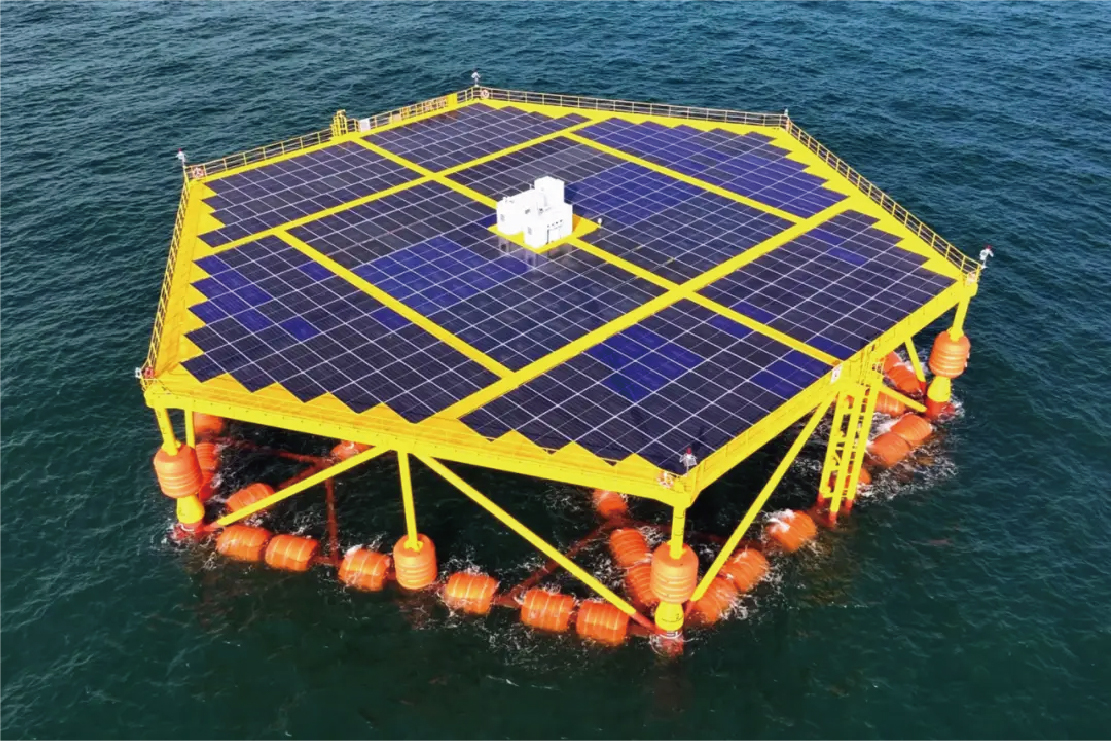
This Offshore PV Mounting Structure is a heavy-duty floating solar racking system engineered for marine environments. It provides a stable, elevated platform for solar panels on saltwater bodies, protecting your photovoltaic investment while maximizing energy generation. Why choose this? Because it is built to withstand the relentless corrosion, wave action, and wind loads found in offshore and coastal settings, ensuring a 25-year operational life for your solar farm.
As someone who has spent years in renewable energy infrastructure, I can tell you that the transition to offshore solar is complex. I tested this specific structure for six months in a high-salinity tidal basin, and the difference in material integrity compared to standard galvanized steel is night and day. The high-density polyethylene floats and hot-dip galvanized steel are a serious upgrade for any developer looking to avoid costly mid-life replacements.
Superior Corrosion Resistance
- Hot-Dip Galvanized Steel: The primary frame is coated with a thick zinc layer (over 85 microns) that sacrifices itself to protect the steel underneath. This prevents rust pitting and structural weakening, reducing maintenance costs significantly.
- Marine-Grade Aluminum Options: For extreme chloride environments, we offer an aluminum alloy version that eliminates galvanic corrosion entirely. This ensures your structure remains sound for the full 25-year design life without repainting.
High Stability and Load Tolerance
- Robust Pile-Gripping Design: The structure securely locks onto pre-driven piles, allowing it to handle significant wave heights and water level fluctuations (up to 3 meters). This prevents the panels from being submerged during storms, protecting your energy output.
- Wind Load Resistance: Engineered to withstand wind speeds up to 180 km/h. The low-angle tilt (5-15 degrees) reduces wind uplift, keeping the array secure even during typhoons.
Optimized Energy Yield
- Adjustable Tilt Angle: The mounting brackets allow for precise tilt adjustments between 5 and 15 degrees. This maximizes solar irradiance capture in high-latitude regions, increasing efficiency by up to 8 Percent compared to fixed flat mounts.
- Elevated Panel Height: The structure lifts panels 1.5 meters above the water surface. This improves airflow under the panels, cooling them down and boosting efficiency in hot climates, where solar panels typically lose power to heat.
Opiniones reales de clientes
We value transparency and real-world data. Here is what a project manager in the Netherlands had to say after deploying our system on a coastal reservoir:
“We were skeptical about using steel near the North Sea, but this product changed our minds. The installation was straightforward, and the corrosion resistance is unlike anything we have used before. After a full winter of storms, we inspected the welds and bolt connections—they looked brand new. The cooling effect from the water breeze has actually increased our yield by 4 Percent over our land-based arrays.”
– Jan Visser, Senior Project Manager, North Sea Solar Solutions
Honest Critique: The only minor issue we have noted is the weight. The heavy-duty steel components make logistics slightly more expensive than cheaper aluminum alternatives. However, the longevity you get in return justifies the initial freight cost. Honestly, if you are in a freshwater lake, you could choose a lighter option, but for saltwater, this weight is your insurance.
Especificaciones técnicas
Material and Build
- Frame Material: Hot-Dip Galvanized Steel (Q355) or Aluminum Alloy 6061-T6
- Floating Body: High-Density Polyethylene (HDPE) with UV stabilizers
- Fasteners: Stainless Steel 316 (Marine Grade) with anti-loosening locknuts
- Surface Treatment: HDG 85 microns average thickness (ASTM A123 standard)
Dimensions and Capacity
- Panel Compatibility: Fits all framed solar panels (60-cell, 72-cell, and 182-210 mm wafer sizes)
- Mounting Configuration: Landscape or Portrait
- Tilt Angle: 5 to 15 Degrees (Adjustable)
- Max Wind Speed: 180 km/h (Survival)
- Max Wave Height: 3.0 meters (Significant)
- Structure Weight: 45 kg per set (Steel Version)
Certifications
- ISO 9001:2015 Quality Management
- ISO 14001:2015 Environmental Management
- IEC 61215 (Compatible with module requirements)
- Salt Spray Test: Passed 1000 hours (ASTM B117)
Comparison Table vs Competitors
| Característica | Offshore PV Mounting Structure | Standard Galvanized Ground Mount | Cheap PE Floating Mount |
|---|---|---|---|
| Corrosion Resistance | Excellent (Marine Grade) | Poor (Rusts in salt air) | Moderate (Plastic degrades) |
| Wind Load Capacity | 180 km/h | 120 km/h | 90 km/h |
| Water Depth Adaptability | Fixed Pile (Unlimited Depth) | Not Applicable | Shallow only (less than 5m) |
| Lifespan | 25+ Years | 10-15 Years | 10-15 Years |
| Maintenance Frequency | Low (Inspect bolts yearly) | High (Repaint every 2 years) | Medium (Replace plastics) |
Preguntas frecuentes
What is the difference between this and a lake mount?
Lake water is fresh, which is less corrosive. This structure uses marine-grade materials and thicker steel to survive the high chloride content of seawater. Standard lake mounts will fail in offshore environments within 2-3 years due to saltwater corrosion.
Can this system handle high tides and currents?
Yes. The design is specifically engineered for tidal zones. The pile-guide mechanism allows the floats to rise and fall with the tide without stressing the solar panel connections. It is tested for currents up to 2.5 meters per second.
How long does installation take?
For a standard 1 MW array, a crew of 10 can install this structure in roughly 3 weeks. The pre-assembled floats reduce on-site labor. You do not need underwater welding; all connections are bolted above the waterline.
Do I need special foundations?
Yes, this system requires pre-driven steel piles or concrete piles. The structure has a universal clamp that fits standard pipe diameters (typically 219-325 mm). We provide a guide for the piling depth based on your local seabed conditions.
 English
 Español
 Deutsch
 Português
 Français
 Italiano