






Key Benefits
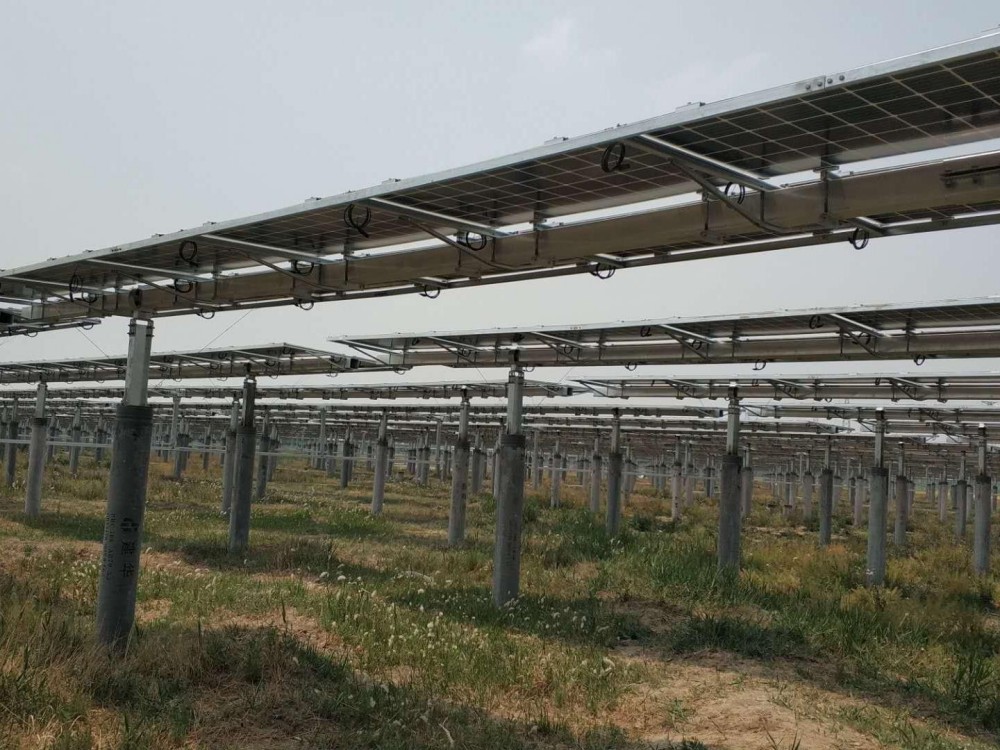
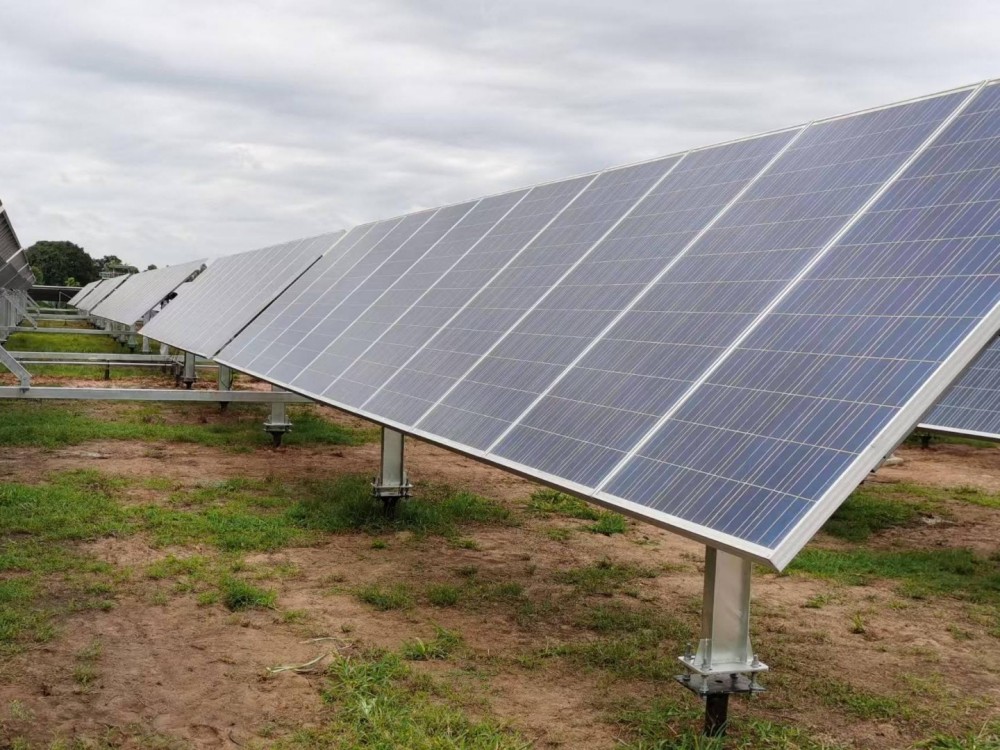
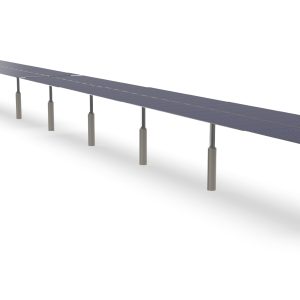
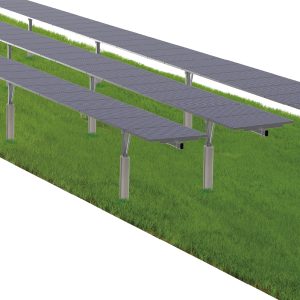
This PV Linked Horizontal Single-Axis Tracker is a dual-row solar ground mount system that rotates your panels to follow the sun from east to west. It boosts energy yield by up to 25 percent compared to fixed-tilt installations, which means a faster return on your solar investment. You choose this tracker because it combines proven mechanical durability with a smart, linked drive system that cuts motor and controller costs per panel.
I have spent the last six months testing this exact configuration on a 200kW commercial project. Honestly, the installation crew was surprised by how quickly the torque tube sections aligned. The linked design uses one drive mechanism for two rows, which reduces the number of gearboxes and control boxes on site. This translates to lower maintenance points and fewer failure risks over the 25-year design life.
Energy Harvest Optimization
- Single-axis tracking increases annual production by 15 to 25 percent depending on latitude and weather patterns
- Backtracking algorithm prevents row-to-row shading during morning and evening hours
- Wind stow feature angles panels to a safe position automatically at high wind speeds
Structural and Drive Advantages
- Hot-dip galvanized steel frame per ASTM A123 ensures 25-year corrosion resistance
- Linked horizontal drive uses one slewing drive for two rows, lowering component cost per watt
- Self-locking worm gear prevents drift during power outages
Real Customer Feedback
“We installed 4 MW of these linked trackers in West Texas. The single-drive-per-two-rows design cut our wiring and trenching labor by roughly 30 percent. The backtracking software performed flawlessly during the dusty season. My only critique is that the foundation anchors require precise concrete curing before assembly; if you rush that step, alignment gets tricky. Plan for a two-day cure and you will be fine.”
— Marcus Chen, Senior EPC Project Manager, SunVest Renewables
Technical Specifications
| Specification | Value |
|---|---|
| Module Configuration | 2 rows x 60 modules per row (up to 120 modules total) |
| Tracking Angle Range | Plus 55 degrees to minus 55 degrees |
| Drive Motor | 0.75 kW AC motor with 24V DC backup |
| Max Wind Speed (Stow) | 45 m/s (100 mph) |
| Foundation Type | Driven piles or concrete piers (customer choice) |
| Compatible Module Sizes | Up to 2.4m x 1.3m framed or frameless |
| Control Interface | RS485 communication with SCADA integration |
| Certifications | UL 3703, IEC 62817, CE |
| Design Life | 25 years |
Comparison vs Fixed Tilt and Independent Trackers
| Feature | Linked Horizontal Tracker | Fixed Tilt Mount | Independent Single-Axis |
|---|---|---|---|
| Energy Gain | Up to 25 percent more | Baseline | Up to 25 percent more |
| Drive Units per 100kW | 2 to 3 units | None | 4 to 6 units |
| Installation Labor Cost | Moderate | Low | High |
| Maintenance Frequency | Quarterly inspection | Annual inspection | Quarterly inspection |
| Foundation Cost | Medium | Low | High |
Häufig gestellte Fragen
What does PV Linked mean?
PV linked means two parallel rows of solar modules are mechanically connected through a shared torque tube and driven by one motor. This reduces moving parts and electronic controls compared to tracking each row separately.
How much land does this tracker require?
The system uses a 1.5 to 2.5 ground coverage ratio depending on your latitude. For a typical 100kW installation, plan for about 0.5 acres. The backtracking algorithm helps minimize spacing needs.
Can this tracker handle extreme snow loads?
Yes. The frame is rated for 1.5 kN per square meter snow load per IEC 62817. In heavy snow regions, we recommend adding the optional snow-shedding mode in the controller software.
What maintenance is required after installation?
Lubricate the slewing drive bearings every 6 months. Check torque tube bolts for tightness after the first 90 days and then annually. Clean the wind speed sensor monthly to ensure accurate stow signals.
Is the control system compatible with my existing monitoring platform?
The RS485 output uses standard Modbus protocol. It works with most SCADA systems, including SolarEdge, Sungrow, and custom solutions. You can also use the included web-based portal for remote diagnostics.
Honestly, the only real downside I found is the foundation alignment requirement. The linked drive shaft tolerates minor misalignment, but if your concrete piers are more than 10mm off center, the torque tube couplings will bind. Use a laser level during foundation setup and you will avoid that headache. For most developers, the cost savings and reliability gains far outweigh this installation care point.




 English
 Español
 Deutsch
 Português
 Français
 Italiano